
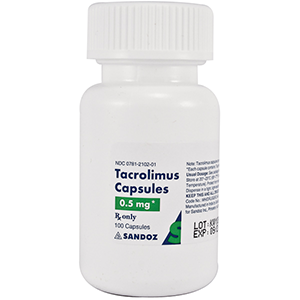
After a heart transplant, patients commonly take several medications
to prevent rejection and protect against infections and other
complications. The medications and doses vary from person to person.
| Medication | Why It’s Used | Common Side Effects |
|---|---|---|
| Tacrolimus (Prograf) | Prevents organ rejection | Kidney problems, high blood pressure, tremors, headache, increased blood sugar, high potassium, and increased infection risk. |
| Mycophenolate (CellCept) | Prevents organ rejection | Diarrhea, nausea, stomach problems, low blood counts, and increased infection risk. |
| Prednisone | Prevents and treats rejection | Increased blood sugar, increased appetite, fluid retention, mood changes, high blood pressure, bone thinning, and increased infection risk. |
| Cyclosporine | Prevents organ rejection | Kidney problems, high blood pressure, tremors, gum enlargement, increased hair growth, and increased infection risk. |
| Sirolimus (Rapamune) | Prevents organ rejection | Mouth sores, swelling, high cholesterol or triglycerides, low blood counts, and delayed wound healing. |
| Everolimus (Zortress) | Prevents organ rejection | Mouth sores, swelling, high cholesterol, low blood counts, and delayed wound healing. |
| Azathioprine (Imuran) | Prevents organ rejection | Nausea, low blood counts, liver problems, and increased infection risk. |
| Trimethoprim-Sulfamethoxazole (Bactrim) | Prevents certain infections | Rash, nausea, changes in blood counts, increased potassium, and possible kidney problems. |
| Acyclovir / Valacyclovir | Helps prevent certain viral infections | Nausea, headache, and kidney problems in some patients. |
| Nystatin / Clotrimazole | Helps prevent fungal infections | Mouth irritation, unpleasant taste, and nausea. |
| Famotidine / Omeprazole | Reduces stomach acid | Headache, nausea, diarrhea, constipation, or other stomach-related symptoms. |
Important: Transplant medications require regular
blood tests and monitoring. Never stop, skip, or change the dose of
an anti-rejection medication unless instructed by your transplant team.
blood tests and monitoring. Never stop, skip, or change the dose of
an anti-rejection medication unless instructed by your transplant team.
Medical information: This chart is for general
educational purposes and is not a substitute for medical advice.
Medication combinations and side effects can vary between patients.
Contact your transplant team if you have questions or develop
concerning symptoms.
educational purposes and is not a substitute for medical advice.
Medication combinations and side effects can vary between patients.
Contact your transplant team if you have questions or develop
concerning symptoms.