
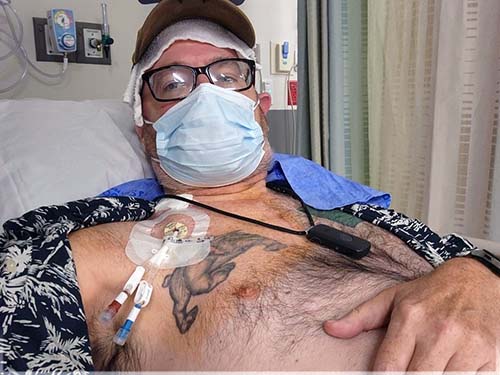
Thought I would share my latest bout with rejection. This is my fourth time in five years. My latest Biopsy showed Acr 2r rejection.
In the context of heart transplantation, ACR 2R refers to moderate acute cellular rejection, a type of immune response where the recipient’s T-cells attack the transplanted heart. This is diagnosed via endomyocardial biopsy, and graded based on the severity of lymphocytic infiltrate and myocyte damage.
Here ia a more detailed expaination of A2r rejection
I absolutely feel no different than normal. I still walk several miles a day and feel great.
-
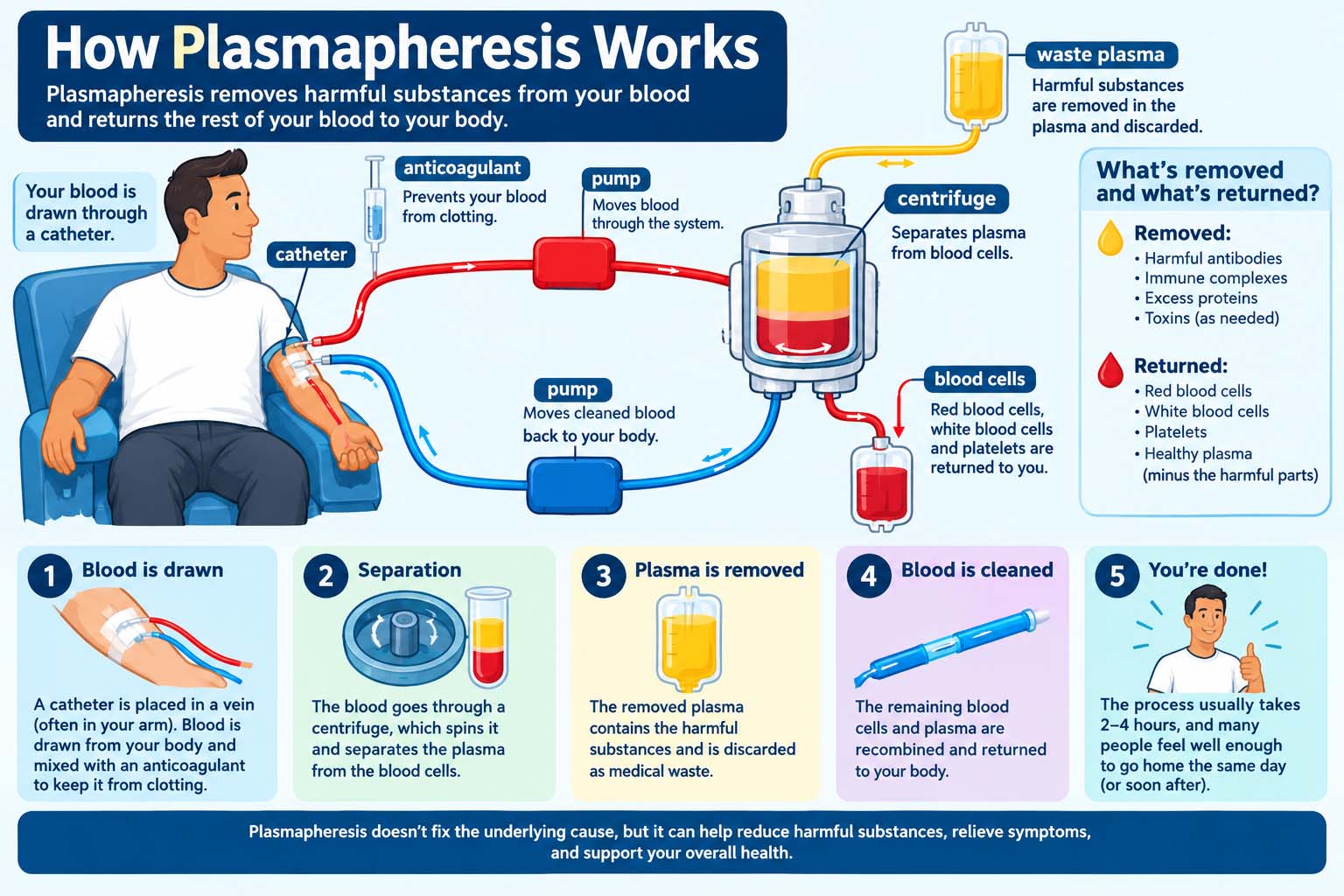
How it works
-
Blood is drawn from the patient through an IV or specialized vascular access.
-
A machine separates the blood into plasma and blood cells.
-
The plasma is removed.
-
The blood cells are returned to the patient along with albumin.
-
The process is repeated for the prescribed number of treatment sessions.
The blood cells themselves generally aren’t removed—the procedure primarily targets the plasma.
-
-
IVIG (Intravenous immunoglobulin): Helps block harmful antibodies and calm the immune system.
-
Rituximab or other B-cell therapies: These target the cells that make antibodies.
-
Eculizumab: A newer drug that inhibits parts of the immune system involved in rejection.
Unfortunately, chronic AMR can lead to long-term organ damage, and in some cases, retransplantation may be necessary.