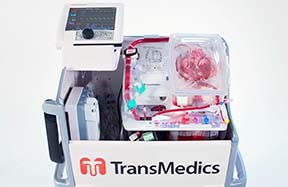
Heart in a Box, also known as the Organ Care System (OCS), is a groundbreaking innovation in transplant medicine. Developed by TransMedics, it keeps donor hearts warm, oxygenated, and beating outside the human body during transport—radically changing how heart transplants are performed.
How the Heart in a Box System Works
Unlike traditional cold storage that stops the heart, the OCS:
-
Pumps warm, oxygen-rich blood through the heart
-
Keeps the heart beating and functioning
-
Provides real-time monitoring of the organ’s condition
This method mimics the body’s natural environment, increasing the heart’s viability.
Benefits of Heart in a Box Technology
🔄 Expanded Donor Pool
“Heart in a Box” enables use of donation after circulatory death (DCD) hearts—previously considered unsuitable.
🕒 Extended Preservation Time
OCS gives doctors more time to perform the transplant safely and effectively.
🌍 Long-Distance Transportation
Hearts can travel hundreds of miles, matching more donors with recipients.
📉 Reduced Organ Discards
More hearts are usable thanks to continuous function monitoring during transport.
Real-World Impact of the Organ Care System
In recent years, the OCS has made headlines for enabling:
-
The first DCD heart transplant in the U.S.
-
Improved transplant outcomes for high-risk patients
-
An increase in successful transplants globally
Clinical trials suggest OCS-preserved hearts perform as well as, or better than, those stored on ice.
Future of Heart Transplant Technology
The “Heart in a Box” is part of a growing trend in normothermic perfusion—keeping organs alive during transport. Future innovations may include:
-
Live organ banks
-
Expanded usage for lungs, livers, and kidneys
-
AI-based monitoring and diagnostics
Conclusion
Heart in a Box technology is redefining what’s possible in heart transplantation. By preserving the donor heart in a living, beating state, it’s not only extending life—it’s saving more lives than ever before.
If you’re inspired by this innovation, consider learning more about organ donation and how you can be a part of the future of transplant medicine.